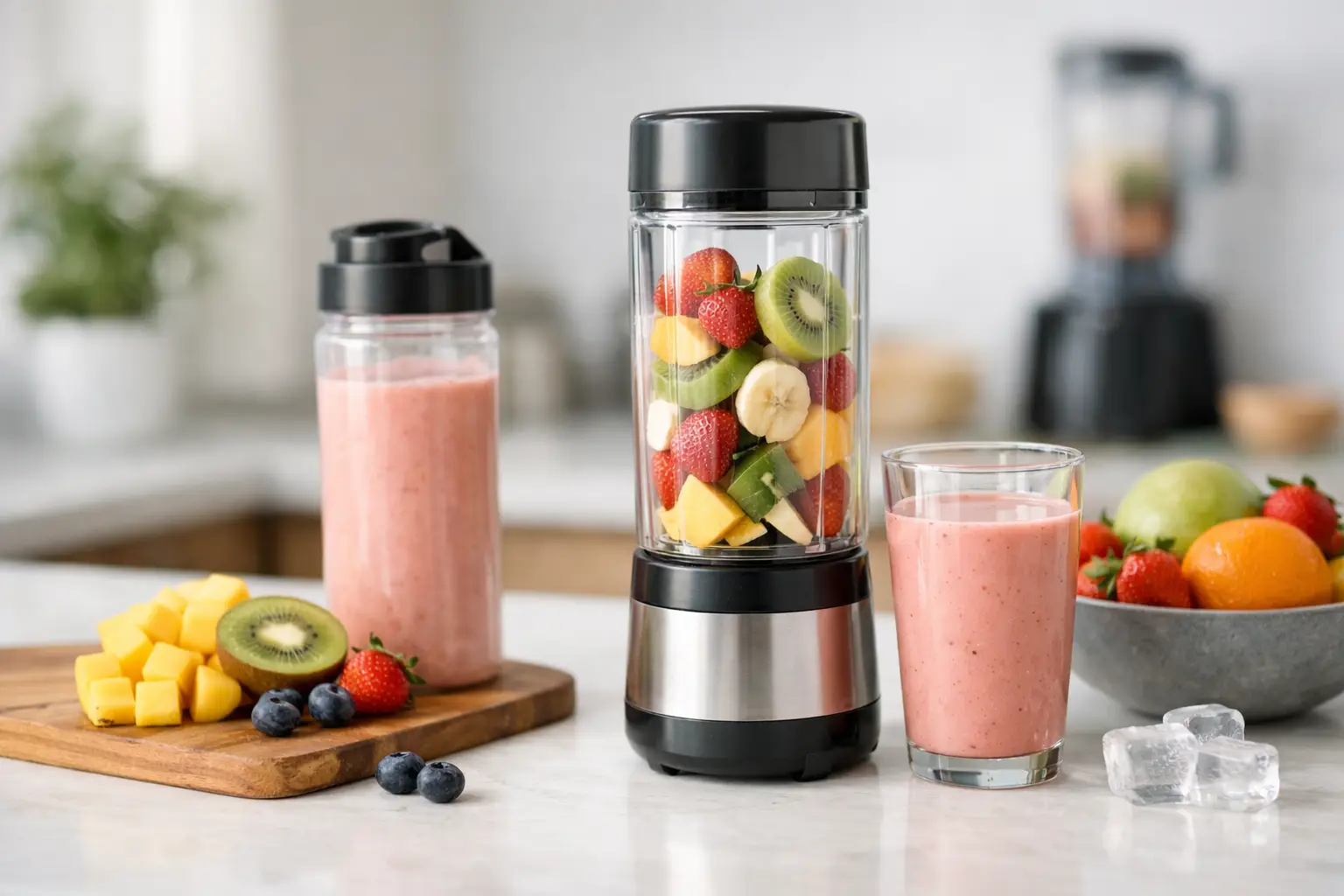
A portable blender for smoothies earns its place when breakfast needs to happen between packing lunches, answering emails, and getting out the door. It is not meant to replace the high-powered blender that lives on your counter. It is a practical shortcut for one or two servings, whether you are at your desk, heading to the gym, on a weekend trip, or trying to keep a simple snack routine on track.
The right pick comes down to your actual ingredients and habits. If your favorite blend is yogurt, berries, banana, and milk, many compact models can handle it well. If you expect it to crush a cup of ice, power through frozen fruit, and make enough for the whole family, you may be happier with a larger countertop option. Shop smart by choosing the tool that fits the job, not the one with the biggest promise.
Portable blenders are built around convenience. Most combine a rechargeable motor base with a travel cup, so you can blend a drink and take it with you without transferring it to another container. That means fewer dishes, less prep clutter, and a much better chance that the ingredients you bought actually get used.
They work best with soft or partially thawed fruit, leafy greens, protein powder, yogurt, milk, juice, nut butter, and small amounts of ice. A compact blender can turn a quick collection of ingredients into a satisfying breakfast or afternoon pick-me-up in minutes. For busy households, that convenience can matter more than having every possible blending feature.
There are limits. Small motors and short blades have less room and less force than full-size machines. Large chunks of frozen fruit, hard raw vegetables, dense dates, and oversized ice cubes can stall the blades or leave an uneven texture. That is not necessarily a deal-breaker. It just means ingredient prep makes a bigger difference.
Before comparing colors, cup styles, or accessories, picture where and when you will use it. A commuter may want a compact cup that fits a car cup holder. A parent may prefer a slightly larger capacity for making a quick snack while handling the morning rush. Someone who travels often may care most about a secure lid and easy charging.
Cup capacity is one of the most useful details to check. A smaller cup is light, easy to pack, and ideal for a single serving. A larger cup gives you more room for liquid, fruit, and add-ins, but it can be heavier and less convenient in a tote bag. Remember that you should not fill a blender cup to the very top. Ingredients need space to move around the blades.
Also consider whether you want to drink from the blending cup itself. A sip lid or travel-friendly cap keeps the routine simple. If you like to prep ingredients in advance, look for a design that makes it easy to load the cup, refrigerate it briefly, then blend when you are ready.
A portable blender is only convenient when it is charged. Most options use USB charging, which is handy because you can recharge from a wall adapter, laptop, or power bank. Still, battery life varies with the ingredients you use. Blending soft fruit and liquid takes less effort than repeatedly processing frozen ingredients.
For everyday use, choose a model with a clear charging indicator and a charging port that is easy to access. It is also worth thinking about where the blender will live. If it will stay at work, keep a charging cable nearby. If it will travel with you, charge it after use rather than waiting until the battery is empty.
A strong battery is helpful, but it does not turn a small blender into a heavy-duty appliance. The best results usually come from using enough liquid, avoiding overfilling, and blending in short cycles when the mixture is thick.
The order of ingredients can make a noticeable difference with a compact blender. Start with liquid, then add powders, soft ingredients, greens, and fruit. Place the heaviest frozen pieces or a few small ice cubes closest to the blades only if the product instructions recommend it. If your blender design is inverted during use, follow its specific guidance instead.
Cut fruit into smaller pieces before loading the cup. This takes a few extra seconds, but it helps prevent jams and gives the blades a fair chance to create a smoother drink. Frozen fruit is easier to blend when it sits out for a few minutes first. For a thicker smoothie, add liquid gradually instead of packing in more frozen ingredients than the motor can handle.
The smoothie you make is only half the experience. The cleanup determines whether you will reach for the blender again tomorrow. A portable blender is most useful when cleanup is fast enough to feel like a non-issue.
After drinking or pouring your smoothie, rinse the cup right away. For a quick clean, add warm water and a small drop of dish soap, then run a brief blending cycle if the manufacturer allows it. Rinse again and let the parts dry fully. This method is especially helpful after blends with nut butter, protein powder, or leafy greens, which can cling around the blade area.
Look for a cup shape with fewer tight corners and a lid that comes apart easily for washing. If a model includes a removable seal, clean beneath it regularly. That small step helps prevent lingering odors and buildup. Never submerge the motor base unless the instructions specifically say it is safe to do so.
Small kitchen appliances should make life easier, not add another thing to worry about. Many portable blenders include a safety lock that prevents the blades from running unless the cup is attached correctly. This is a valuable feature, particularly in busy homes where a blender may be handled around children.
A leak-resistant lid is another practical must-have. Check that the lid seals firmly and that the cup sits securely on the base before placing it in a bag. It is wise to keep the blender upright during travel, even with a good seal. Smoothie ingredients can expand or shift when a cup is overfilled.
Pay attention to the materials, too. A durable, BPA-free cup can be a sensible choice for daily drinks. Clear cups make it easier to see whether the ingredients are fully blended and whether the cup needs a better rinse.
Convenience has trade-offs. A portable blender may not be the best match if you routinely make multiple servings, want hot soups, or rely on tough ingredients such as large frozen fruit pieces, raw carrots, or lots of ice. A full-size blender offers more power, capacity, and consistency for those jobs.
It can still be a great second blender. Keep the countertop model for family batches and use the portable one for quick personal smoothies, protein shakes, baby-food-sized purees, or simple dressings. Matching each appliance to its strength is often more useful than expecting one item to do everything.
The easiest smoothie habit is built around ingredients you already enjoy. Keep a few dependable options on hand: bananas, berries, spinach, yogurt, milk or a non-dairy alternative, and a favorite protein or fiber add-in. You do not need a complicated recipe to make a portable blender worthwhile.
Try a simple formula: liquid for movement, fruit for flavor, something creamy for staying power, and an optional boost such as oats, chia seeds, or protein powder. Start with lighter blends while you learn what your blender handles best, then adjust the texture to your taste.
A portable blender is a small upgrade with a very practical payoff: a fresh drink that fits into the real pace of your day. Browse with your routine in mind, choose the features you will use most, and let PO-Store help make everyday convenience feel a little more rewarding.
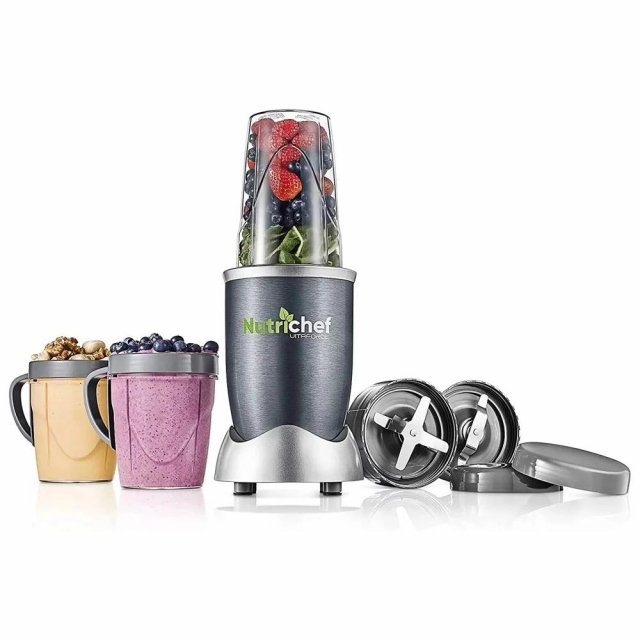
Why PO‑Store recommends the Nutrichef Electric Serve Blender – 600W Mini Countertop Blender for Smoothies & Shakes This compact powerhouse is exactly what most shoppers are looking for when choosing a portable blender: strong performance without sacrificing convenience. With its 600W motor reaching up to 21,000 RPM and 360‑degree cylindrical impact technology, it delivers nutrient‑rich blends that rival full‑size countertop units. For readers who want a blender that fits effortlessly into small kitchens, dorm rooms, or office spaces, Nutrichef’s sleek, modern design makes it an easy pick. It’s powerful enough to crush ice, fruits, and veggies, yet compact enough to stay out of the way — a balance many portable blenders struggle to achieve.
PO‑Store also recommends it because it’s built for real on‑the‑go lifestyles. The three included cups (20 oz and two 10 oz options) make it simple to prep single‑serve smoothies, shakes, or small batches without extra cleanup. The cross and flat blades expand what you can make — from smoothies to nut butters — while the pulse function gives you full control over texture. Add in the mess‑free lids, stain‑resistant materials, and easy cleaning, and you get a blender that’s genuinely practical for everyday use. For readers comparing portable blender options, Nutrichef stands out as a compact, stylish, and highly capable choice that delivers more value than most units in its category.








Leave a comment