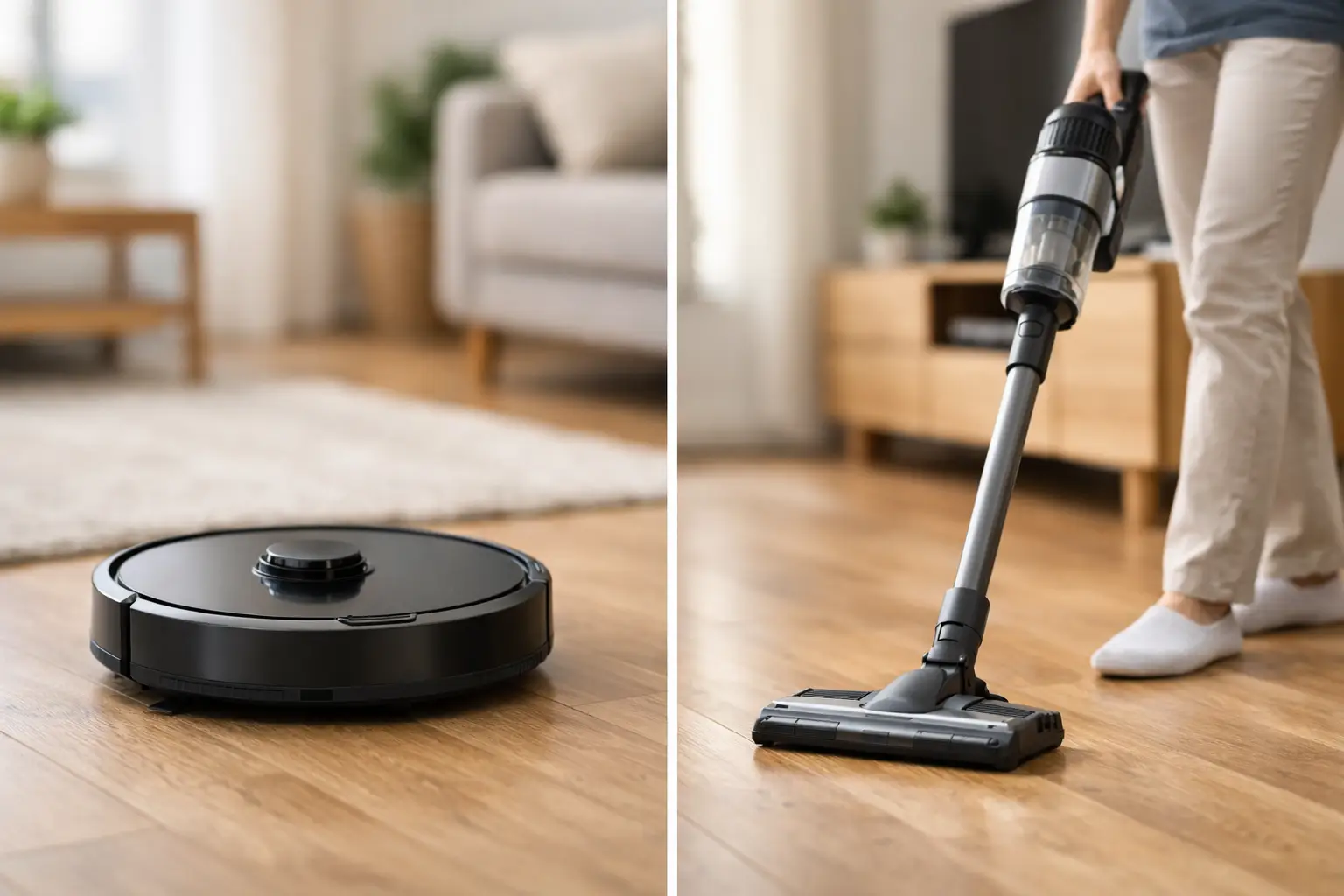
A trail of cereal under the breakfast table, pet hair gathering along the baseboards, and a weekend that is already packed: this is where the robot vacuum vs stick vacuum decision gets real. Both can make everyday cleaning easier, but they solve different problems. One keeps the floors from getting out of hand while you do something else. The other gives you fast, hands-on power exactly where the mess is.
For many homes, the best choice is not about which vacuum is more impressive. It is about which one you will actually use often enough to enjoy cleaner floors with less effort.
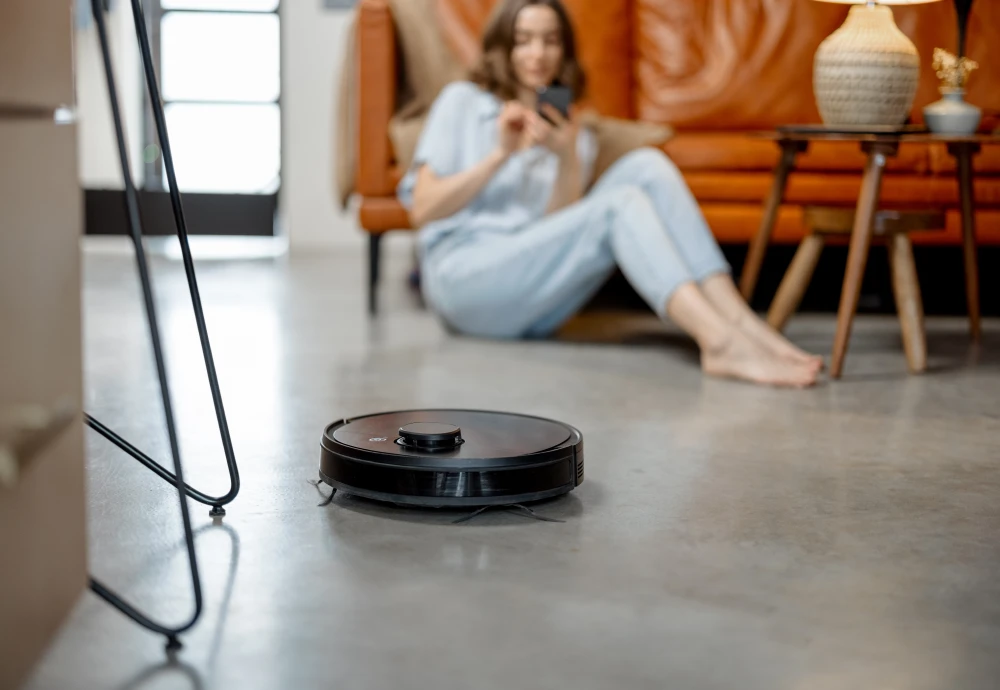
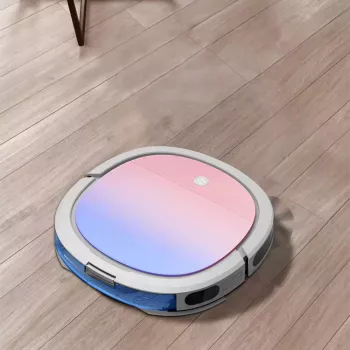
A robot vacuum is built for maintenance. Set a schedule, let it travel through open areas, and it can collect daily dust, crumbs, and loose pet hair while you work, run errands, or wind down at night. Models with mapping features can learn room layouts, avoid certain zones, and return to a charging dock when the battery runs low. That regular routine is the big appeal.
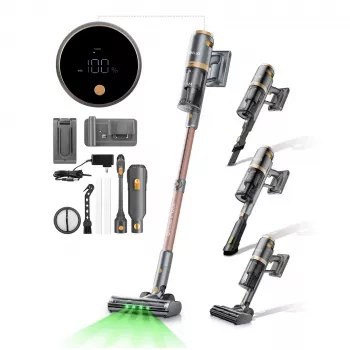
A stick vacuum is built for control. You pick it up, spot the mess, and clean it right away. Cordless models are especially handy for a quick pass through the kitchen, a car seat cleanup, or the few minutes before guests arrive. With the right attachment, many can also handle upholstery, stairs, shelves, and tight corners that a robot cannot reach.
Think of a robot vacuum as a helpful floor-care assistant and a stick vacuum as your rapid-response cleaner. Neither replaces every other cleaning tool in every home, but one may fit your routine much better.

Robot vacuums shine in homes where the same floor areas get messy every day. Families with kids, pet owners, and busy professionals often appreciate having a device quietly collect surface debris between bigger cleaning sessions. Instead of waiting until the floors look bad, you can maintain a more consistently tidy space.
They work best on mostly open floors. A living room with clear pathways, a kitchen with limited clutter, and low-profile furniture are all robot-friendly. Hard floors are usually the easiest environment, though many models can also manage low- to medium-pile rugs.
The convenience factor is hard to beat. Scheduling a run after breakfast or while everyone is out of the house turns one recurring chore into something that happens in the background. If you have shedding pets, daily runs can noticeably reduce the tumbleweed effect along walls and under furniture.
There are trade-offs. Robot vacuums need a little preparation to perform well. Charging cables, small toys, socks, pet bowls, and loose curtains can interrupt their route. They may also struggle with high thresholds, deep carpet, dense furniture layouts, and corners. Even a feature-packed robot needs its dustbin emptied, brushes checked, and sensors wiped occasionally.
A robot vacuum is a smart match if your main goal is to save time on routine floor upkeep, not to deep-clean every surface in one pass.
If you are often juggling school drop-offs, work calls, dinner, or a playful dog that tracks in debris, automation can feel like a meaningful upgrade. The value comes from frequency. A robot that runs for 30 minutes several times a week can prevent dirt from building up in the first place.
For homes with multiple levels, though, remember that most robot vacuums need to be carried between floors unless you buy more than one. That can make a lightweight stick vacuum the simpler option for upstairs bedrooms or a finished basement.
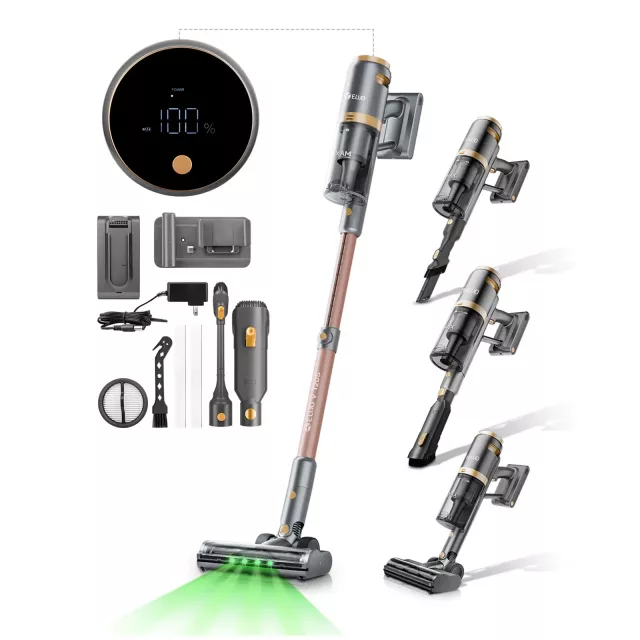
Stick vacuums are popular for one simple reason: they are ready when you are. Grab it from a closet or charging stand, clean a spill in seconds, and put it back. There is no mapping process, no moving obstacles out of the way, and no need to wait for a machine to work its way around a room.
They are often the stronger choice for homes with lots of stairs, thicker carpeting, layered rugs, or frequent spot messes. A powered brush roll can lift debris from carpet more directly than many robot vacuums, while a handheld conversion or crevice tool makes it easier to clean couch cushions, stairs, and behind furniture.
Cordless stick models offer the most flexibility, but battery runtime deserves attention. A compact apartment may be easy to clean on one charge. A larger house with carpet throughout may require a model with a longer runtime, a removable battery, or a backup charging plan. Corded stick vacuums avoid battery limits but bring the usual inconvenience of plugging in and moving a cord.
Stick vacuums also tend to provide a more satisfying result when you can see exactly where the dirt is. That direct control matters after a craft project, a muddy day, or a snack-related disaster under the couch.
Choose a stick vacuum if you prefer to clean on your own schedule and want one tool that can move beyond floors. It is especially practical for smaller homes, apartments, homes with stairs, and anyone who wants strong pickup without adding another smart device to manage.
Your home layout should guide the decision more than a product trend. A robot vacuum needs room to navigate. If floors are usually clear and furniture sits high enough for it to travel underneath, it can reach dust that is easy to miss with occasional manual cleaning. If your home has lots of cords, floor-level decor, narrow pathways, and bulky furniture, the robot may need more supervision than expected.
Floor type matters, too. On hardwood, tile, laminate, and vinyl, both options can work very well. A robot offers easy everyday pickup, while a stick vacuum gives you a quicker way to handle crumbs in one focused area. On plush carpet, a stick vacuum may have the edge for deeper cleaning. Look for adjustable suction and a brush roll designed to handle the surfaces in your home.
Pet hair changes the equation. A robot vacuum can reduce the constant layer of fur on hard floors, especially when used frequently. A stick vacuum is usually better for pulling hair from rugs, furniture, pet beds, and stairs. For a home with heavy shedding, having both can be genuinely useful: the robot handles the daily floor patrol, and the stick vacuum takes care of targeted cleanup.
Noise is another personal factor. A robot can run while you are away, which makes its sound less noticeable. A stick vacuum is louder in the moment, but the job is usually finished quickly. If you work from home or have napping children, scheduled robot runs may be easier to fit around your day.
Robot vacuums generally cost more upfront, particularly models with advanced mapping, obstacle avoidance, self-emptying docks, or mopping features. Those extras can be useful, but only if they match how you live. Paying for detailed room mapping makes sense in a larger, more complex home. In a small studio, simple reliable navigation may be all you need.
Stick vacuums range from affordable basics to premium cordless models with stronger motors, extra batteries, and specialized attachments. When comparing options, focus on practical details: battery time, dustbin capacity, weight, filter care, and whether replacement parts are easy to find.
Both types need maintenance to keep performing well. Empty bins regularly, remove hair from brush rolls, clean filters as directed, and check wheels or intake areas for blockages. A little care protects suction and helps your vacuum stay useful longer.
Choose a robot vacuum if your priority is protecting your time. It is a strong everyday choice for open homes, hard floors, routine pet hair, and anyone who likes the idea of cleaning happening while life continues. It will not eliminate every floor chore, but it can make those chores smaller.
Choose a stick vacuum if you want flexibility and immediate power. It is ideal for stairs, carpets, furniture, quick spills, and homes where a robot would constantly face obstacles. It also works well for shoppers who want one versatile cleaning tool without relying on schedules or navigation technology.
If your budget and storage space allow, the combination can be a practical home upgrade rather than a duplicate purchase. Use a robot vacuum for frequent maintenance, then reach for a stick vacuum when your floors and furniture need focused attention. PO-Store shoppers who enjoy finding smart, everyday home helpers may find that this two-tool approach makes busy weeks feel far more manageable.
The best vacuum is the one that fits the way your home really gets messy. Pick the option that removes the most friction from your routine, and cleaner floors become one less thing competing for your time.









Leave a comment