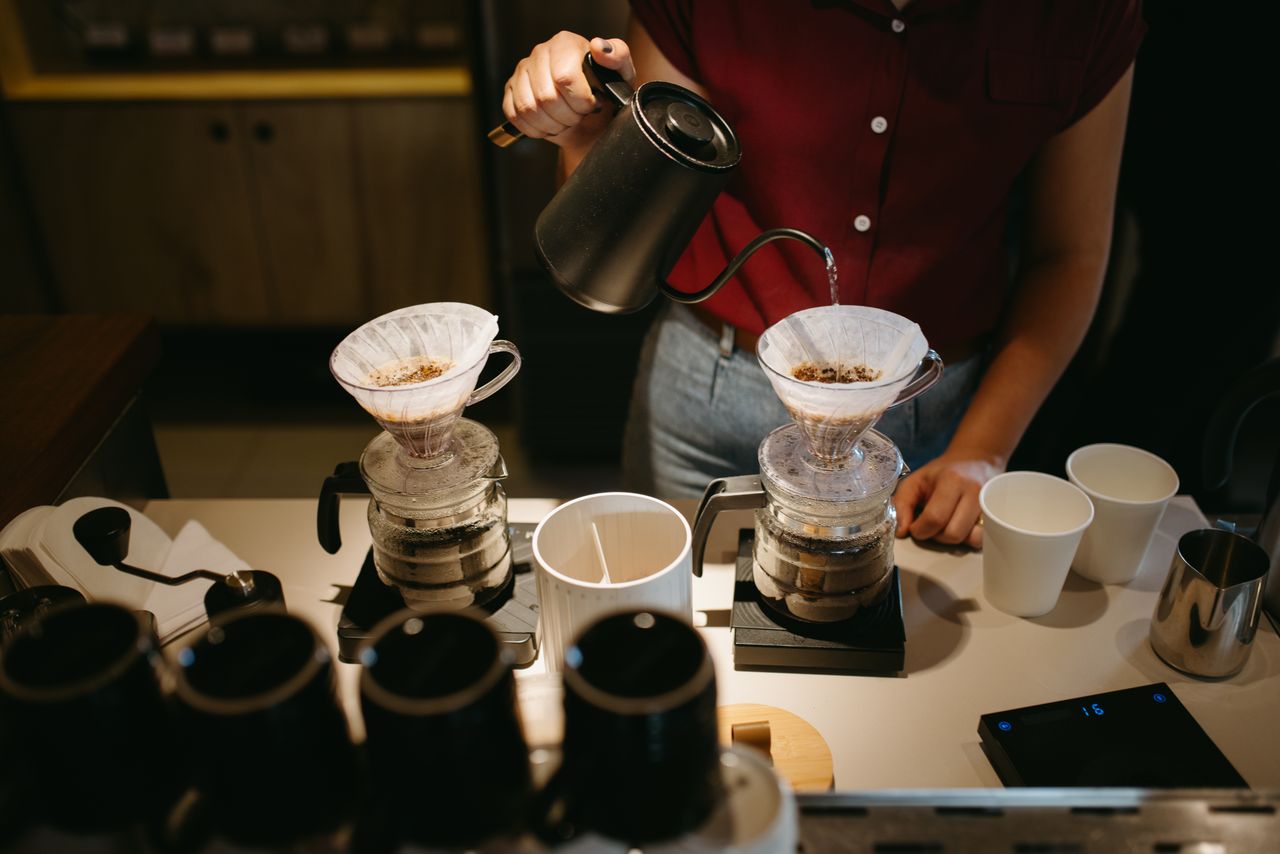
Many people struggle with bitter, sour, or tasteless coffee at home and assume the problem is their machine. In reality, most flavor issues come from not understanding coffee brewing basics—the fundamental variables that control extraction, aroma, and taste. These variables are measurable, repeatable, and backed by decades of coffee research.
This guide breaks down the essential, factual principles behind brewing better coffee at home. Whether you’re tired of bland coffee, frustrated with additives masking flavor, or wondering if café‑quality coffee is even possible at home, the answer is yes—once you understand the science.
For readers who want a deeper, structured breakdown, you can explore the full educational resource here: 👉 https://po-store.store/the-guide-to-coffee-brewing-basics-beginner-friendly-coffee-brewing-basics-ebook-for-better-home-coffee/
Coffee flavor comes from extraction—the process of dissolving soluble compounds from ground coffee into water. This is not subjective; it’s measurable. According to the Specialty Coffee Association (SCA), ideal extraction falls between 18% and 22%, producing balanced flavor.
When extraction is too low (under‑extracted), coffee tastes:
When extraction is too high (over‑extracted), coffee tastes:
Understanding extraction is the foundation of all coffee brewing basics.
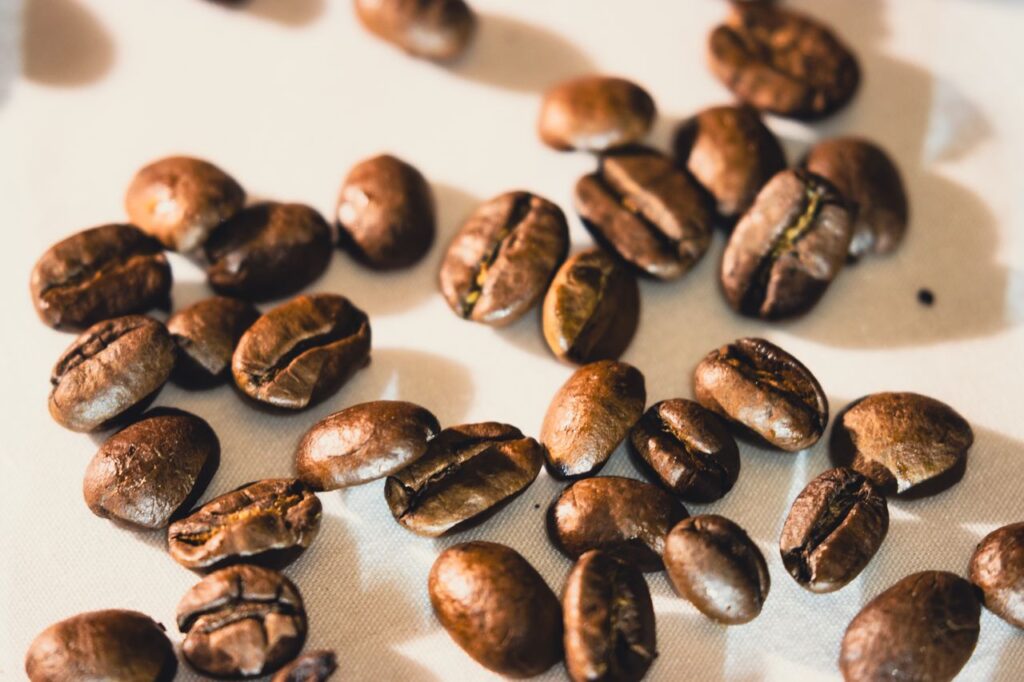
Different growing regions produce different chemical profiles due to soil, altitude, and climate.
These flavor tendencies are widely documented in coffee research and cupping standards.
Coffee cherries are processed in three main ways:
Processing affects sugar development and fermentation, which directly impacts taste.
Coffee beans release CO₂ after roasting. Fresh beans retain more aromatics and flavor compounds. Industry standard: use beans within 2–4 weeks of roasting for best flavor.
Grind size determines surface area, which directly affects extraction speed.
This is a physical fact—smaller particles extract faster because more surface area contacts water.
| Brewing Method | Ideal Grind Size |
|---|---|
| French Press | Coarse |
| Cold Brew | Coarse |
| Drip Machine | Medium |
| Pour-Over | Medium |
| AeroPress | Medium-fine |
| Espresso | Fine |
| Turkish Coffee | Extra fine |
Using the wrong grind size is one of the most common causes of bad coffee.
Coffee is 98% water, so water composition matters.
These effects are documented in SCA water standards.
The ideal brewing temperature is 195°F–205°F (90°C–96°C).
Below 195°F → under-extraction Above 205°F → over-extraction
This range is scientifically established as optimal for dissolving coffee solubles.
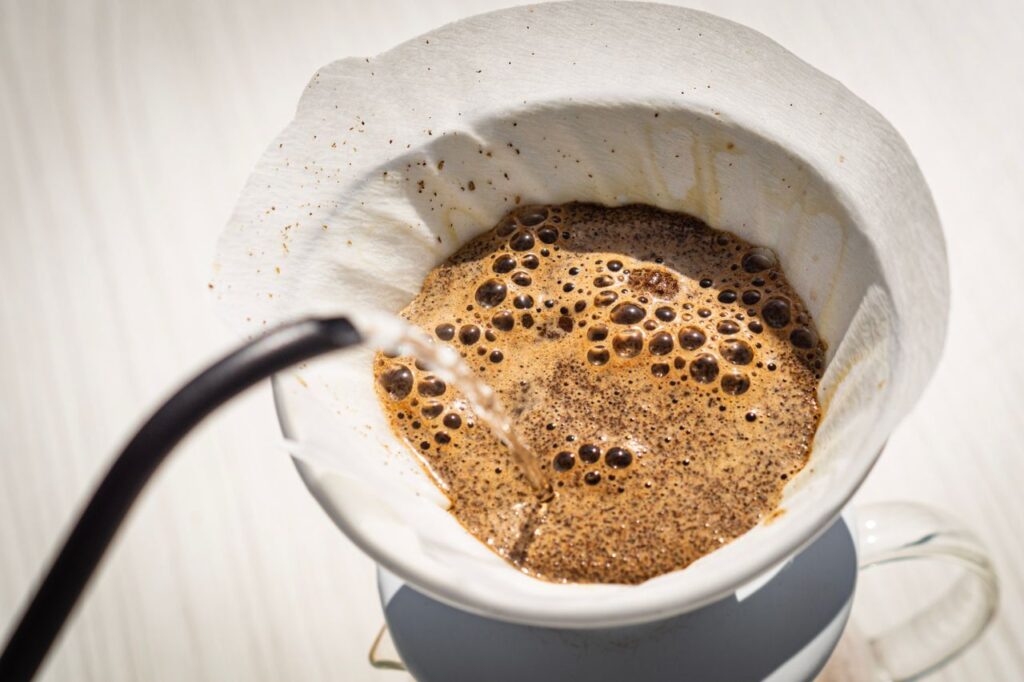
The SCA recommends a standard ratio:
1:15 to 1:17 (1 gram of coffee per 15–17 grams of water)
This ratio ensures proper extraction and balanced flavor.
Examples:
Ratios are factual, measurable, and repeatable.
Uses gravity and consistent water flow. Produces balanced extraction when grind size and ratios are correct.
Allows manual control over flow rate, agitation, and saturation. Produces cleaner flavor due to paper filtration.
Full immersion brewing. Produces heavier body because metal filters allow oils and micro-particles through.
Uses pressure (9 bars) to extract concentrated coffee quickly. Requires fine grind and precise timing (25–30 seconds).
Long extraction time (12–24 hours). Produces low-acid, smooth flavor due to cold water extraction chemistry.

Causes:
Fixes:
Causes:
Fixes:
Causes:
Fixes:
These corrections are based on extraction science.
Many people rely on syrups or creamers because their coffee tastes flat. But flavor improves naturally when brewing basics are correct.
Scientifically proven ways to improve flavor:
These steps improve extraction and aroma compounds.
Here are factual, science-backed steps:
These steps are universally recommended by coffee professionals and educators.
Yes. Home brewing can match café quality when:
These are measurable variables—not subjective opinions.
You don’t need expensive machines. You need correct brewing basics.
For readers who want a structured, beginner-friendly breakdown of these fundamentals, including troubleshooting charts, equipment guides, and advanced brewing tips, explore the full educational resource:
👉 The Guide to Coffee Brewing Basics – Beginner-Friendly Coffee Brewing Basics eBook for Better Home Coffee https://po-store.store/the-guide-to-coffee-brewing-basics-beginner-friendly-coffee-brewing-basics-ebook-for-better-home-coffee/

In our eBook, you’ll learn the core Coffee Brewing Basics that explain how flavor, extraction, and technique work together to improve your daily brew.
The Guide to Coffee Brewing Basics is a clear, practical eBook designed to help you understand what truly makes a great cup of coffee. Whether you are just starting out or looking to refine your daily routine, this guide breaks down coffee brewing basics in a way that is easy to follow and enjoyable to read. Instead of overwhelming you with jargon, it focuses on the core principles that actually improve flavor, consistency, and confidence when brewing at home.
This eBook is perfect for beginners, casual coffee drinkers, home brewers, and anyone who wants a stronger foundation in coffee brewing basics. It is also ideal for gift-givers looking for a thoughtful digital resource for coffee lovers.
Unlike many coffee guides that feel overly technical or scattered, this eBook is structured, practical, and beginner-focused. It combines traditional brewing knowledge with modern techniques and even introduces AI tools for recipe inspiration and coffee pairings, making it both timeless and forward-thinking.
Coffee brewing basics are grounded in measurable, repeatable science. Once you understand extraction, grind size, water temperature, and ratios, you can consistently brew flavorful coffee at home—without additives, guesswork, or expensive equipment.
Great coffee isn’t magic. It’s method.









Leave a comment