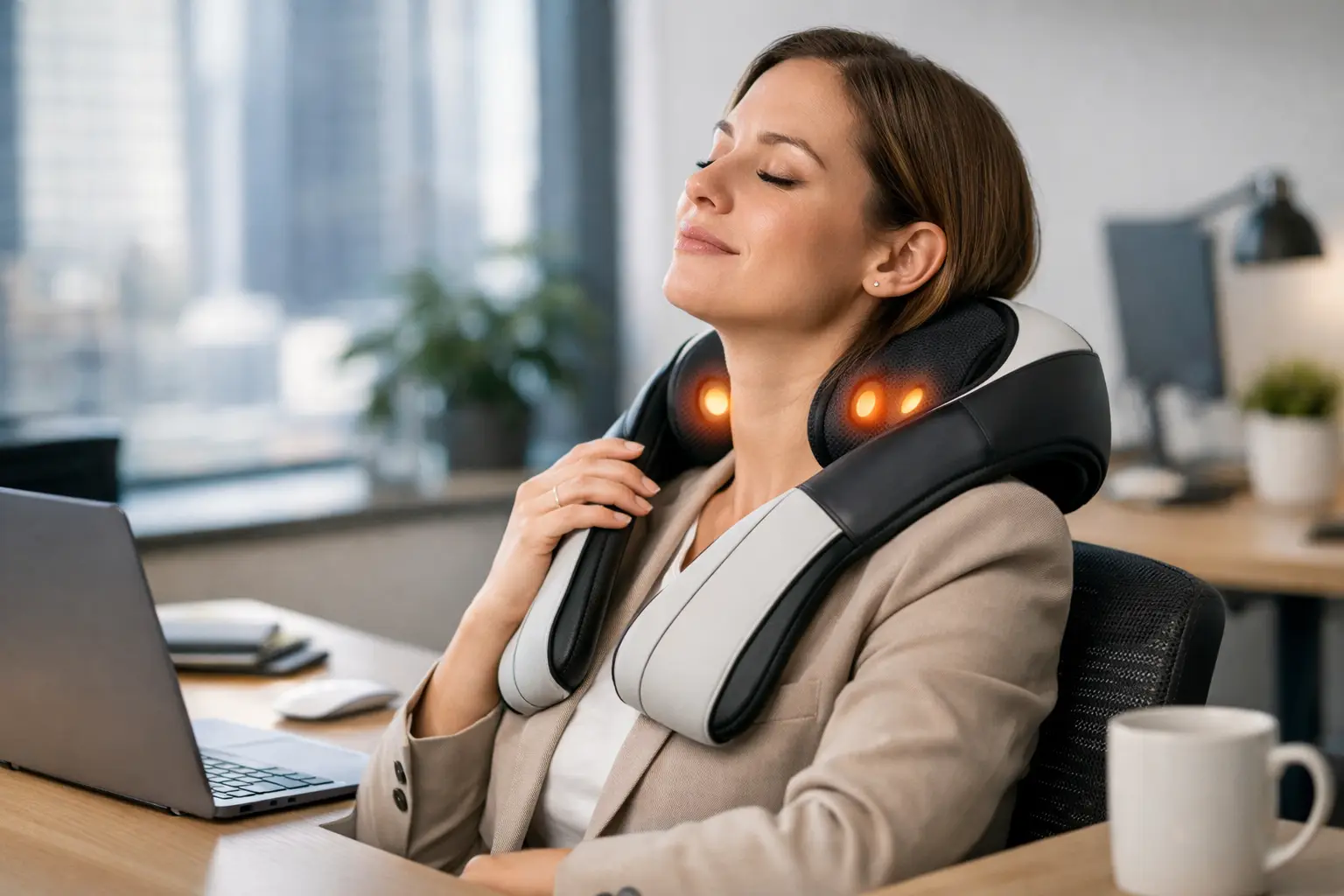
That tight, heavy feeling at the base of your neck is rarely caused by one bad afternoon. It is usually the result of hours spent leaning toward a laptop, holding a phone, or concentrating through a long meeting. The best neck massager for office workers is not necessarily the strongest one. It is the one you will actually use comfortably between tasks, at the end of the day, and often enough to make your routine feel better.
A neck massager cannot fix every cause of pain or replace medical care, but it can be a useful comfort tool for the everyday stiffness that comes with desk life. Shop smart by focusing on the features that match how and where you work.
A great massage can feel wonderful at home, but office workers have a few extra requirements. You may want to use the device at your desk, in a shared home office, or on the couch after a commute. That means fit, sound, control placement, and setup time matter as much as the massage style.
Start with the kind of tension you feel. If your upper trapezius muscles feel knotted and dense after spreadsheets or back-to-back calls, a deep-kneading model with rotating nodes may be a good match. If your neck is simply tired, sensitive, or prone to soreness after looking down at a screen, gentler vibration or air-compression options can feel more relaxing.
Also be realistic about your schedule. A device that takes two minutes to position, plug in, and adjust may sit in a drawer. A wearable massager with simple buttons or an easy-to-reach controller is more likely to become part of your 10-minute reset.
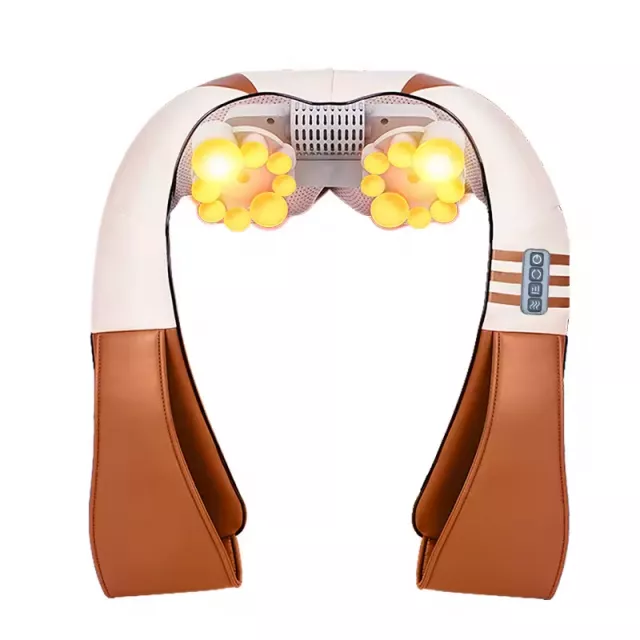
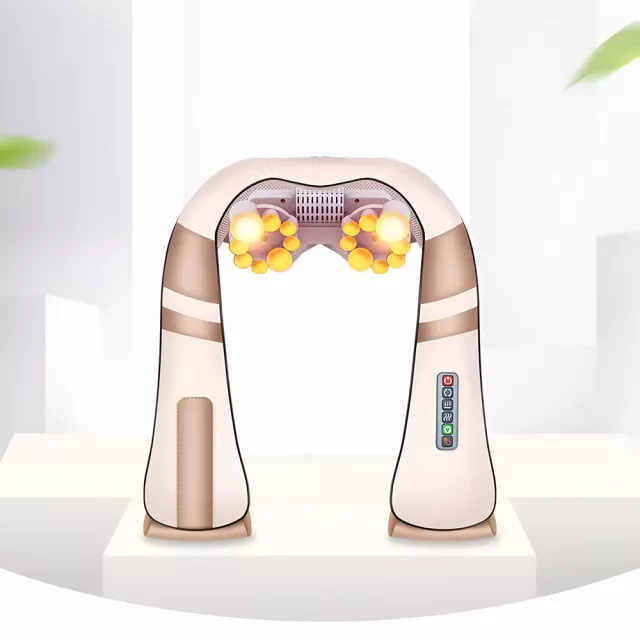
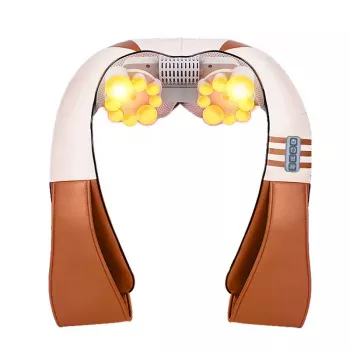
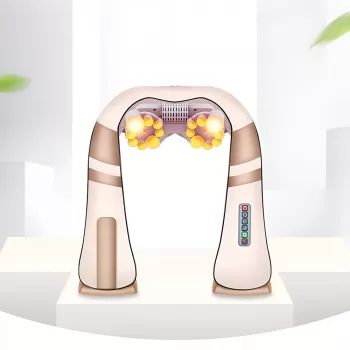
Shiatsu-style neck massagers use rotating massage nodes to mimic a kneading motion. For many desk workers, this is the closest at-home option to firm, hands-on pressure around the shoulders and upper back. Models with arm loops are especially useful because you can pull down gently to change the pressure without needing a complicated adjustment system.
The trade-off is intensity. Deep-kneading nodes can be too much for someone who is tender, new to massage, or dealing with a flare-up. Look for reversible node direction and more than one intensity setting so the massage does not feel identical every time.
Heat is a popular feature for good reason. Mild warmth can make a short massage feel more comforting, especially in a chilly office or after a stressful day. But the best option gives you a choice. Some people love heat; others get uncomfortable quickly or simply prefer massage without it.
Choose a model with a separate heat control and automatic shutoff. The heating function should feel gently warm, not hot enough to distract you from work or leave your skin irritated. If you have reduced sensation, circulation concerns, or a condition affected by heat, ask a healthcare professional before using this feature.
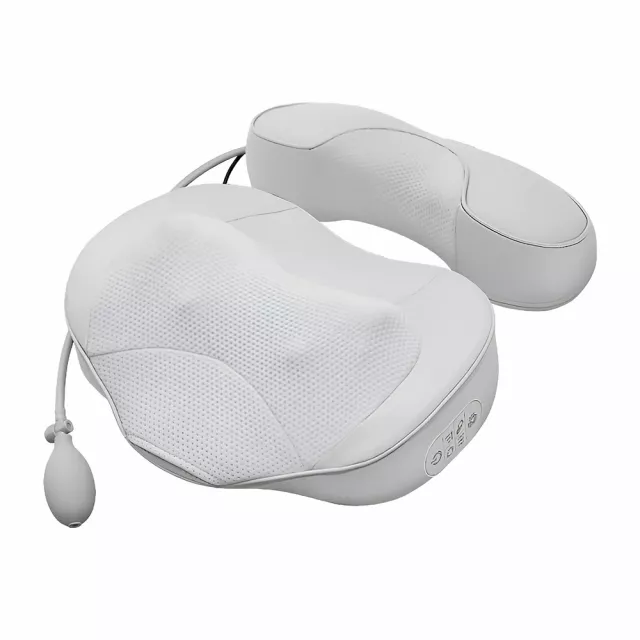
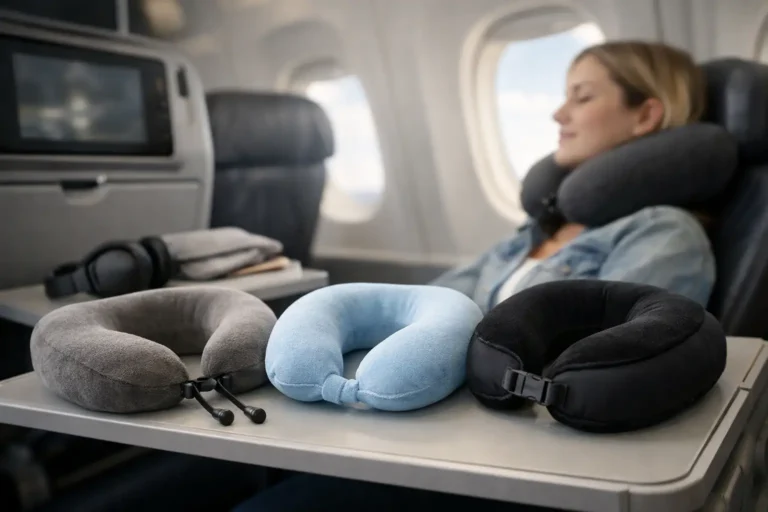
Neck massagers come in pillow, wrap, handheld, and massage-gun styles. Each can work, but the design changes the experience.
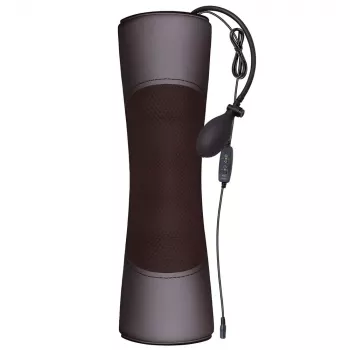
A U-shaped wrap is convenient for sitting upright because it rests around the neck and shoulders. A massage pillow can work well against an office chair, but it may slide if the chair back is curved or if you move frequently. Handheld devices give you control over the exact spot, although your arm may get tired. Massage guns can target the upper back and shoulders effectively, but they are less suited to the front or sides of the neck and require careful use.
For most office workers, a wrap or shoulder-style kneading massager offers the best balance of convenience and coverage. Check the dimensions and weight before buying. A compact device is easier to store in a desk drawer or carry between home and work, while a heavier model may feel more substantial but be less practical.
If you share an office, work near family members, or want to relax during a quiet evening, noise is not a small detail. Vibration models tend to be quieter than powerful kneading motors, though that is not always true. Product descriptions may mention low-noise operation, but customer feedback often gives a better picture of what the device sounds like in a quiet room.
Think about timing, too. A firm kneading unit can be perfect after work, while a quieter, gentler model may be the one you reach for during a lunch break. One versatile device can be enough, but there is no shame in choosing based on when you plan to use it.
Small buttons hidden under your hair or behind your shoulder can turn a relaxing moment into an annoying one. Favor clear controls with distinct settings for power, direction, heat, and intensity. A wired remote can be convenient when the massager is behind your back, while built-in buttons keep the setup simpler.
Battery-powered models are portable and tidy, especially if your desk is short on outlets. Plug-in options usually provide consistent power and can be a better pick for regular at-home use. If you commute, check charging time, battery life, and whether the device can be used while charging before making it your daily work bag essential.
The right choice depends on more than your budget. It depends on the problem you want to solve at 3 p.m.
For the worker who ends every day with hard shoulder knots, deeper shiatsu kneading and adjustable pressure are usually worth prioritizing. For the person who spends long hours on video calls and wants a calming break, a lighter vibration-and-heat model may be more comfortable. If you move between a corporate office, a coworking space, and home, portability and quiet operation move to the top of the list.
Do not assume a higher price always means a better massage. A premium model may offer more settings, washable covers, or a stronger motor, but those extras only matter if they improve your use. A well-fitting, easy-to-control option at an accessible price can deliver more everyday value than an overbuilt device you avoid using.
Start with a short session, usually around 10 to 15 minutes, at the lowest comfortable intensity. Let the device work on the tops of your shoulders and the muscles beside the neck rather than pressing it directly against the spine, throat, or front of the neck. More pressure is not automatically better. The goal is to feel relief, not to grit your teeth through the session.
A helpful desk routine is simple: stand up, roll your shoulders, take a short walk or refill your water, then use the massager after your task block. This helps prevent the device from becoming a substitute for movement. Pairing massage with a screen-height adjustment, a supportive chair setup, and regular stretch breaks gives your neck a better chance to settle down.
Stop using the device if you feel sharp pain, numbness, dizziness, worsening headaches, or pain traveling into your arm. Speak with a qualified healthcare professional if neck pain follows an injury, lasts more than a few weeks, or comes with weakness, fever, or unexplained symptoms. Massagers are designed for comfort, not diagnosis.
Before adding a neck massager to your cart, confirm that it has the massage style you enjoy, a size that fits your shoulders, and controls you can operate easily. Check whether heat is optional, whether it has an automatic shutoff, and whether its power source works for your workspace. Finally, consider storage, cleaning, return terms, and customer support. Those practical details make a difference after the excitement of a new purchase wears off.
At PO-Store, everyday comfort products should make life easier, not add another complicated routine. Choose a neck massager that fits your real workday, then give yourself permission to use those few quiet minutes to reset before the next email arrives.








Leave a comment