
The family calendar can fill up before Monday breakfast is even finished: a dentist appointment, library books due, soccer practice, a work meeting, and the question nobody has answered yet – what’s for dinner? A weekly planner for busy moms is not about packing every hour with more tasks. It is a simple way to see the week clearly, make fewer last-minute decisions, and leave room for real life.
The best planner is one you will actually open. That sounds obvious, but a beautiful planner with 20 complicated sections can become another item on the to-do list. Start with a format that feels easy, then build a routine around the few details that keep your household moving.
A useful weekly planner gives the whole week a home. It should make appointments visible, show who needs to be where, and help you spot pressure points before they turn into a frantic afternoon. It can be paper, digital, or a mix of both. The right choice depends on how your family communicates and what you naturally remember to check.
For many households, a weekly view works better than a daily page because it reveals the connections between days. You may notice that Tuesday is overloaded, Wednesday has no groceries planned, and Friday is the only realistic window for laundry. That wider view helps you adjust before the week begins.
Your planner does not need to track every thought. Focus on the categories that create the most friction when they are forgotten:
If everything feels equally urgent, write down fewer things. A planner is a decision tool, not a record of every responsibility you carry.
Paper planners are great for moms who like writing things down, want less screen time, or need a clear page on the kitchen counter. Look for a roomy weekly spread, durable binding, and enough space to write without squeezing in tiny notes. A planner with a pocket or simple storage section can also keep permission slips, gift lists, and coupons from floating around the house.
Digital calendars are helpful when schedules change often or multiple adults need updates immediately. Color-coding can make each person’s commitments easy to scan, and reminders can prevent the classic “I thought you were handling pickup” moment. The trade-off is that notifications can become noise, especially when your phone is already full of messages.
A hybrid system is often the practical middle ground. Keep appointments and shared events in a digital calendar, then use a paper weekly planner for meals, errands, home tasks, and your top priorities. The screen handles fast changes; the paper page helps you think through the week without clicking between apps.
Choose one repeatable planning window. Sunday evening works for some families, while Friday afternoon or Monday morning may be more realistic for yours. Consistency matters more than the day. Protect about 20 minutes, grab your calendar, and plan with a drink you will not have to reheat three times.
Write in anything tied to a specific time: work shifts, medical visits, school events, childcare, sports, birthdays, and travel. Add a little buffer around events that require driving, parking, packing snacks, or getting a reluctant child into shoes.
Then look at the week as a whole. Are two appointments sitting back-to-back across town? Is there a late practice on the same night you planned a complicated dinner? These are the moments a weekly view can save you. Move what can move, simplify what cannot, and ask for help early when the schedule is simply too tight.
Meal planning does not have to mean seven brand-new recipes. Match dinner to the day in front of you. A long evening may call for leftovers, breakfast-for-dinner, sandwiches, or a freezer favorite. A quieter night might be the right time to cook extra for tomorrow’s lunch.
Write a dinner idea beside each day, then create your grocery list from those ideas. Keep two or three low-effort backup meals on hand for surprise schedule changes. Convenience is not cheating. It is a smart response to a busy week.
The house will always offer more jobs than time. Instead of writing “clean house,” choose three realistic priorities for the week, such as ordering household essentials, washing uniforms, and clearing the entryway. Assign them to open pockets of time rather than assuming they will happen somehow.
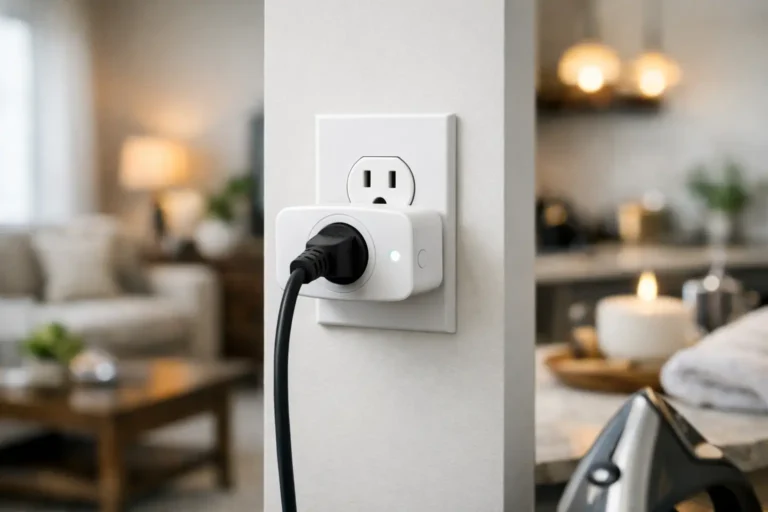
This is also a good place to use helpful everyday tools. A visible timer can make a 10-minute tidy feel manageable, a charging station can reduce the hunt for devices before school, and labeled storage bins can make it easier for kids to put their own things away. Small upgrades do not create more hours, but they can remove repeat frustrations from the routine.
A planner should not become a private command center that only one person understands. Put it where it can be seen, or make sure the shared digital calendar is available to every adult who needs it. A quick check-in before the week starts can prevent confusion about transportation, meals, childcare, and errands.
If children are old enough, give them a small role. They can check which days they need a uniform, pack gear the night before, or add a reminder for a school project. The goal is not perfection. It is helping them see that family life runs on shared responsibility, not invisible magic.
For co-parents or caregivers, clear labels matter. Write “Dad pickup,” “Grandma watching kids,” or “Bring snack” instead of vague notes that invite assumptions. A little specificity is kinder than a rushed text sent five minutes before dismissal.
One of the biggest planner mistakes is treating every blank space as available. Blank space is often what lets a family recover from traffic, a sick kid, an urgent email, or the day when everyone is tired at once. Build in a buffer night with no plans when you can.
Also give yourself one small personal appointment each week. It might be a walk, a bath after bedtime, coffee with a friend, a workout, or simply 30 minutes to read without folding laundry at the same time. This is not a reward you earn after completing every task. It is part of maintaining the person who carries so much of the schedule.
Some weeks will not cooperate. Illness, school closures, overtime, and unexpected expenses can blow up even the neatest plan. When that happens, do not try to rescue the original version of the week. Open the planner, cross out what no longer matters, move one or two essentials, and choose the next best step.
If you stop using your planner for a week, nothing has failed. The layout may be too detailed, the planning time may be wrong, or your current season may need a simpler setup. A new baby, a new job, summer break, and a packed sports schedule all change what “organized” looks like.
Try a small reset. Remove categories you never use. Keep a running grocery list in the same place every week. Add a bright pen, sticky notes, or a simple family board if visual reminders help. At PO-Store, practical home and lifestyle finds can be a fun way to refresh everyday routines, but the most valuable tool is still a system that feels light enough to maintain.
Your weekly plan does not need to look picture-perfect to be useful. If it helps you remember the concert, get dinner on the table, and notice one open hour for yourself, it is doing exactly what it should: making the week feel a little more manageable before it starts.









Leave a comment